

8007480048
Transforming Legacy Waste into Valuable Urban Resources
Legacy waste dumpsites occupy valuable land, create environmental hazards, and affect the health of surrounding communities. Under Swachh Bharat Mission Urban 2.0, Biomining has emerged as a sustainable solution for scientifically remediating these waste sites and supporting the development of Garbage-Free Cities.
Green India Service Provider Pvt. Ltd. partners with Municipal Corporations, Municipal Councils, and Government Agencies to deliver end-to-end Biomining solutions. Through site assessment, waste excavation, trommel screening, resource recovery, and land reclamation, we help cities eliminate legacy waste, recover reusable materials, and restore land for future community use.
Biomining converts old accumulated waste into recoverable resources while reducing environmental pollution, reclaiming occupied land, and improving urban sanitation. It supports municipalities in achieving Swachh Bharat Mission 2.0 objectives and creating cleaner, healthier communities.
- Legacy Waste Elimination
- Scientific Waste Processing
- Resource Recovery Management
Site Assessment & Survey
Comprehensive surveys, drone mapping, and waste characterization studies help determine the volume, composition, and remediation strategy for legacy waste dumpsites.
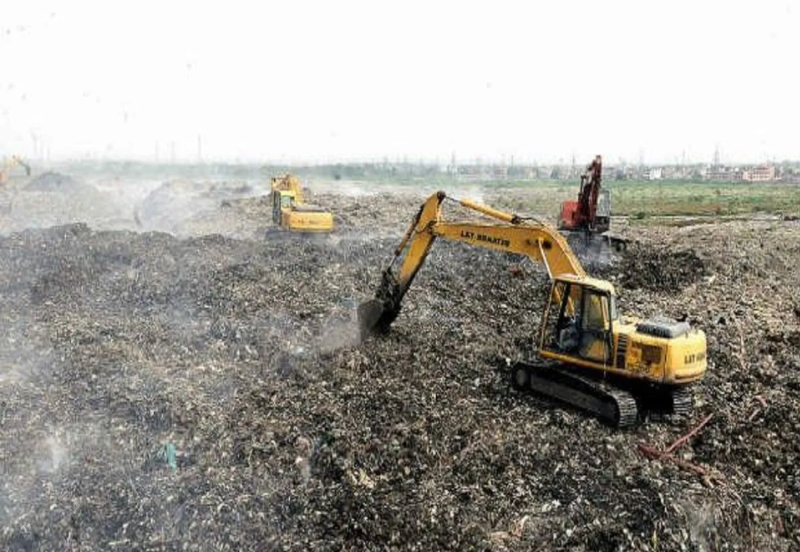
Legacy Waste Excavation
Advanced excavators and earth-moving equipment are deployed to carefully remove accumulated waste and prepare it for scientific processing.
Trommel Screening Process
Waste is screened through trommel machines to separate materials based on size, enabling efficient segregation and resource recovery.
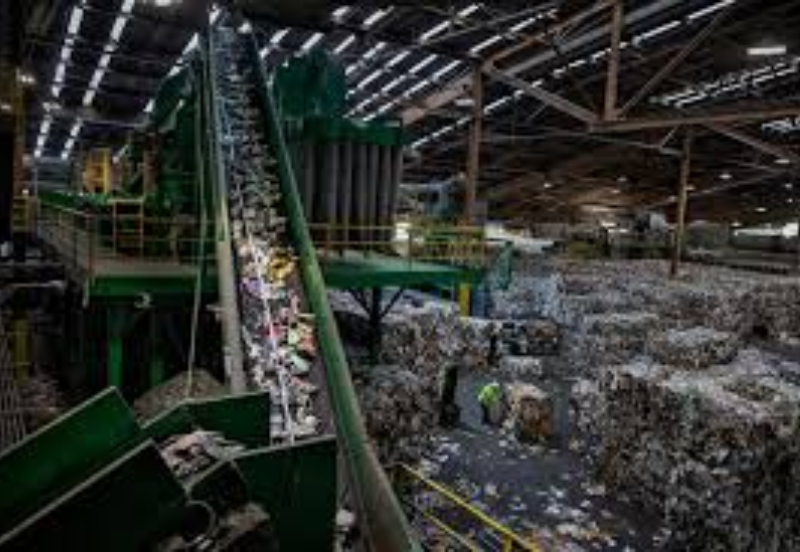
Material Segregation & Recovery
Recovered materials such as plastics, metals, RDF, and soil-like fractions are segregated for recycling, reuse, or further processing.
Scientific Disposal
Non-recoverable inert materials are disposed of using approved scientific methods that comply with environmental regulations and SBM guidelines.
Land Reclamation & Restoration
After waste removal, the reclaimed land can be transformed into parks, green spaces, public facilities, or future urban infrastructure projects.